
SB-326 Inspection
20% OFF
+ FREE Consultation
Hello California Community Managers!
Ensure Your Property's Safety and Compliance
We understand that your community's safety is your number one priority. That's why we are proud to be California's largest SB-326 inspector, helping community leaders like you keep your community safe and compliant with the new SB-326 regulations. Our team provides a fast, stress-free inspection process and provides a complimentary scope of work after every inspection.

I would recommend EmpireWorks for upcoming painting and construction projects to those who are looking for a realistic solution at a reasonable cost.

It's not easy to work around 200+ residents, but procedures EmpireWorks has in place allows me to trust them with my large community construction projects and with little supervision needed from me because they have it under control.

I cannot emphasize enough just how happy I am with my Account Executive and the crews eagerness to go above and beyond for my boards and communities is unparalleled, for that I am grateful.
WHAT IS SB 326?
Everything there is to know about Senate Bill 326
(SB 326)
SB 326 is a new Law and it is important. For existing HOAs the first inspections must be completed by January 1st, 2025, and completed again, once every nine years, thereafter.
New HOAs for which a building permit application was submitted after January 1, 2020, must have the inspections completed within 6 years of the issuance of the certificate of occupancy and once every nine years thereafter.
We're Your Expert Guides Every Step of the Way
As the leader and largest provider of SB-326 inspections in California, EmpireWorks is here to help keep your property safe and compliant with state regulations. If you're a manager/board member of an HOA, multifamily, or commercial property with Exterior Elevated Elements, SB-326 inspections are mandatory. Our licensed structural engineers will conduct a thorough inspection of your property, identifying any potential safety hazards and providing a detailed report of our findings.
But we don't just stop at the inspection. EmpireWorks is dedicated to providing our customers with a comprehensive solution to any issues found during the inspection. We offer a complimentary scope of work for any repairs that need to be made to comply with the SB-326 law. Our team is experienced in working with property managers, HOAs, and building owners to ensure that all necessary repairs are made quickly and efficiently.
Don't risk the safety of your property and its occupants. Schedule your SB-326 inspection with EmpireWorks today and take advantage of our 20% discount.
20% Off Limited Time Only
Free consultation
Complimentary Scope of Work for Repairs
Why Choose EmpireWorks?
Experience: We have performed dozens of inspections for HOAs, multi family, and commercial properties.
Expertise: Our team includes structural engineers who have expertise in the SB-326 inspection process.
Customer Service: Every project gets a dedicated account manager who will be your main point of contact.
Quality: Our inspections are performed to the highest quality to make sure your community is safe.
Transparency: We'll provide you with a detailed quote and keep you informed every step of the way.

SB 326 FAQs
What are some examples of “Exterior Elevated Elements (EEE)”?
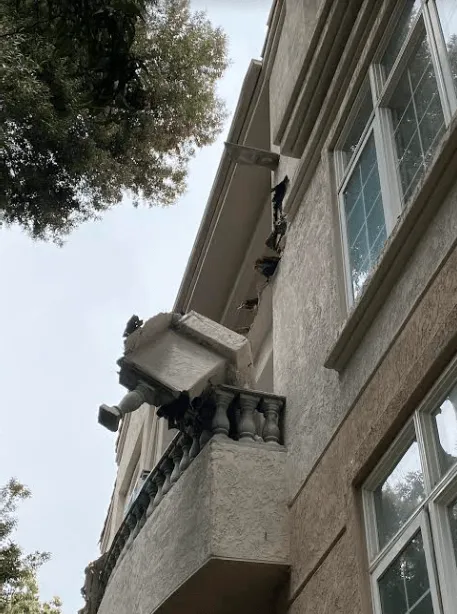
Exterior Elevated Elements refers to load bearing components and associated waterproofing systems, which includes balconies, decks, porches, stairways, walkways, and associated railings.
What EEEs are subject to SB326 inspection?
The Exterior Elevated Elements (EEEs) subject to the new requirements include those with a walking surface elevated more than six feet above ground level, designed for human occupancy or use, and supported by wood or wood-based products.
Who does this law effect? And what needs to be inspected?
Homeowner Associations (with 3 or more units) that have load bearing components more than 6 ft above the ground with a walking surface (i.e., decks, balconies, walkways, stairways and their railings) supported by wood or wood-based products.
Associations must hire a licensed structural engineer or architect (such as EmpireWorks Partners) to perform a diligent inspection of exterior elevated elements (EEE)s. The inspection must consist of a random sufficient sample of balconies. The inspector must submit a report providing specified information about the physical condition and useful life of the elements inspected and any recommendations for repair or replacement.
Under SB 326, what number of exterior elevated elements are required to be inspected and how often?
SB 326 mandates that a statistically significant sample of exterior elevated elements must be inspected, sufficient enough to ensure 95% confidence that the results from the sample are representative of the entire structure, with a margin of error no larger than plus or minus 5%.
SB 326 mandates that a statistically significant sample of exterior elevated elements must be inspected, sufficient enough to ensure 95% confidence that the results from the sample are representative of the entire structure, with a margin of error no larger than plus or minus 5%.
When is action or an inspection required?
For existing HOAs the first inspections must be completed by January 1st, 2025, and completed again, once every nine years, thereafter.
New HOAs for which a building permit application was submitted after January 1, 2020, must have the inspections completed within 6 years of the issuance of the certificate of occupancy and once every nine years thereafter.
What’s included in the inspection?
The bill requires the inspector to provide a copy of the inspection report to the association immediately upon completion of the report. The written report shall contain the following information; 1) identification of the building components, 2) physical condition of building components, 3) expected useful life of building components, 4) repair recommendations, and 5) stamp/signature of the inspector.
What is the actions of the SB 326 Inspection report?
The final report will advise the owner on repairs or maintenance that need to be made to ensure the safety of the deck or walkway. This will be passed on to the homeowners association, to allow them to assess the damages and budget for any necessary repairs.
There are two types of repairs that may need to be made:
Non-emergency repairs: the owner or Board of Directors are notified
Emergency repairs: referred to the Local Building and Safety Department
What happens If the immediate threat to safety is found during the inspection?
The bill would require the inspector to provide a copy of the inspection report to the local code enforcement agency within 15 days of completion of the report. The association shall take preventive measures immediately, including preventing occupant access to the exterior elevated element until repairs have been inspected and approved by the local enforcement agency.
How long does an inspection take?
Inspections can take 3-10 days to complete pending the size and access at the community.
How much does an inspection cost?
Pricing is also pending the size and accessibility of the community. Proposals are customized to your community, request one today.
Who is liable for compliance to SB 326?
The Homeowners Association (HOA) is liable for unperformed inspections, the deadline is 2025 for completion.
Is destructive testing necessary?
If during the visual inspection the inspector observes building conditions indicating that unintended water or water vapor has passed into the associated waterproofing system, thereby creating the potential for damage to the load-bearing components, then the inspector may conduct a further inspection. It is up to the discretion of the inspector. The inspector shall exercise their best professional judgment in determining the necessity, scope, and extent of any further inspection.
How can I find out specifically how SB 326 affects my HOA?
Contact a specialist from EmpireWorks today for a free consultation and more information about how SB 326 affect you and your HOA.
How can EmpireWorks assist?
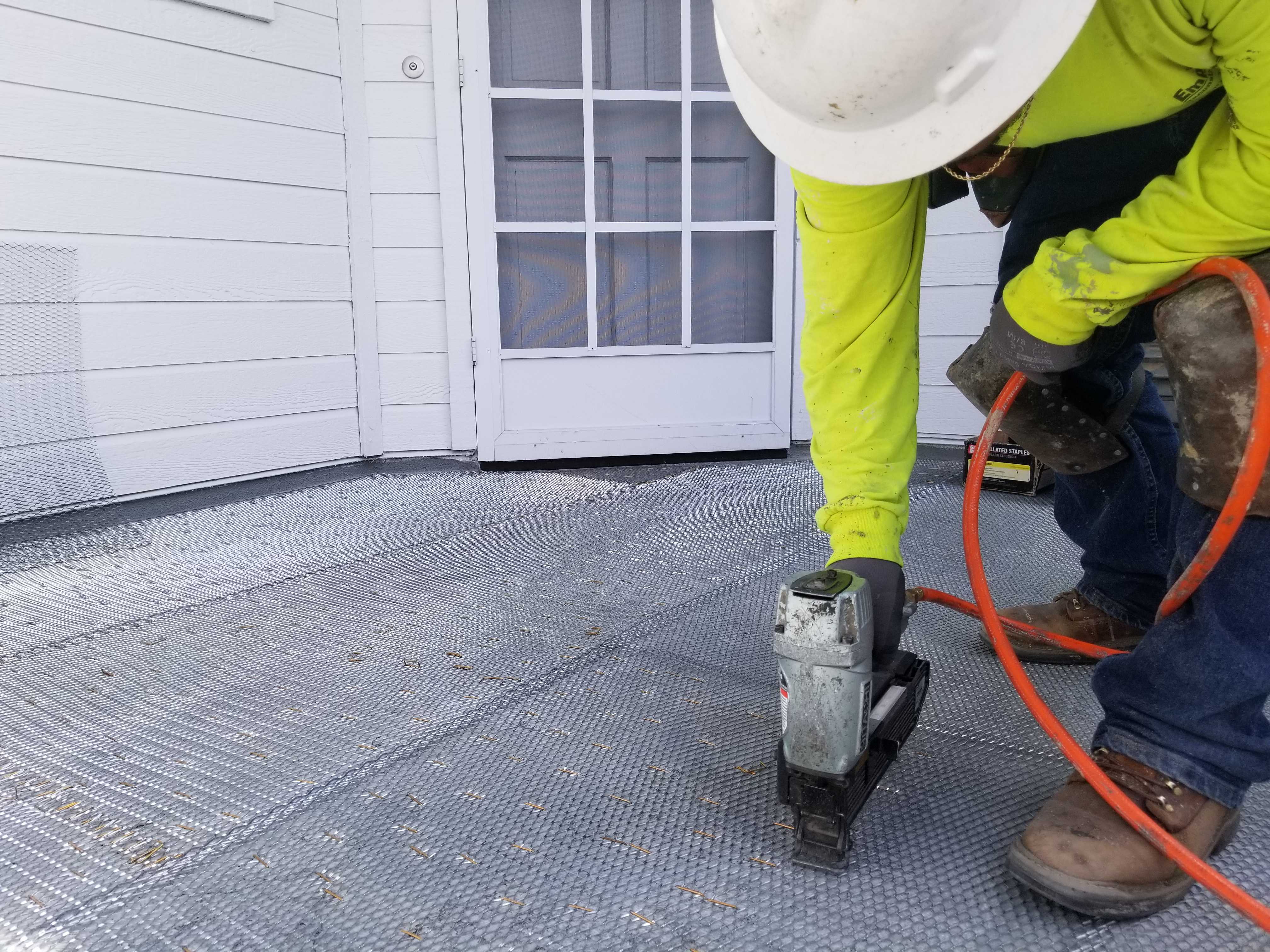
EmpireWorks is a reconstruction contractor who has been repairing structural and waterproofing damage for HOA clients for nearly 20 years. Because of our experience, we have partnered with qualified Architects and Engineers. Upon completion of the report, we will work with the HOA step by step to develop an action plan to approach the repair recommendations made in the report.
OUR CLIENTS SAY

“I am a resident and a board president in a community that EmpireWorks is currently doing a very large stucco and painting project. I have found the quality of work to be excellent and my contact at the company was a wonderful person to work with. She was very professional and responsive to any request I sent her way. Keep up the great work Empire! ”
George P
Board President,
Dessert Hills HOA
“I have had the opportunity to work with EmpireWorks on several painting and building repair projects over the last few years and have been very pleased with their work. The projects have always been completed in a timely manner to our satisfaction. We have had very few follow up issues, but when we did, they were resolved promptly. EmpireWorks is excellent on follow-up. They do quality work, and they stand by it..”
Carol K
Board President,
Royal Orleans North HOA